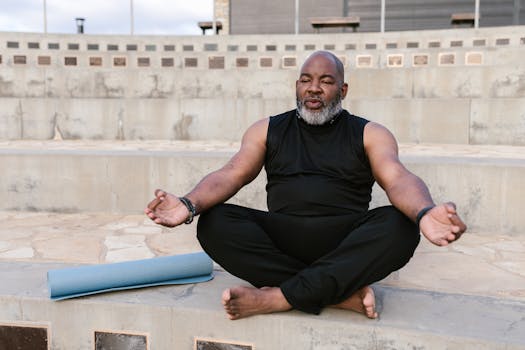

Let’s be honest, the world can feel like a hamster wheel on fast-forward. Emails ping, notifications buzz, and somewhere in the chaos, our inner peace seems to have taken a permanent vacation. We hear about mindfulness, and our brain immediately conjures images of silent monks on mountaintops, or people sitting cross-legged for hours, looking suspiciously serene. But what if I told you that unlocking a calmer, more present you doesn’t require a full wardrobe overhaul or a pilgrimage to Tibet? It’s entirely possible to weave mindfulness techniques for everyday life into your busy schedule, and yes, you can still enjoy your morning coffee (even if it’s spilled down your shirt).
Did you know that the average person has about 6,000 thoughts per day? And sadly, a good chunk of those are probably variations on “Did I leave the oven on?” or “Why did I say that thing five years ago?” Mindfulness isn’t about emptying your mind (that’s impossible, and frankly, a little creepy), it’s about observing those thoughts without getting completely swept away by them. Think of it like watching clouds drift by – you see them, but you don’t try to catch them.
So, What Exactly IS Mindfulness, Anyway? (The Non-Scary Version)
At its heart, mindfulness is simply the practice of paying attention, on purpose, to the present moment, without judgment. It’s about being here, now, rather than mentally replaying that awkward conversation from yesterday or rehearsing your grocery list for next week. It’s the antidote to autopilot living.
It’s not about achieving some mystical state of enlightenment overnight. More realistically, it’s about recognizing when you’re lost in thought and gently guiding yourself back to what’s happening right now. It’s a skill, like learning to ride a bike – you might wobble a bit at first, but with practice, you get smoother. And the benefits? Oh, they’re pretty sweet.
Weaving Mindfulness into Your Morning Mayhem
Your mornings are often the most frantic part of the day, right? Between hitting snooze one too many times and the mad dash to get out the door, finding a moment of calm seems like a pipe dream. But even 5 minutes can make a difference.
#### The “Just Brew It” Breath Break
Before you even touch your phone (yes, I’m looking at you!), try this. As you make your coffee or tea, focus entirely on the process. Notice the warmth of the mug, the aroma of the beans or leaves, the sound of the water boiling. When your mind wanders (and it will, bless its busy little heart), gently bring your attention back to the sensory experience. This is a fantastic way to introduce simple mindfulness techniques for everyday life.
#### Mindful Munching: Your Breakfast, Elevated
Eating on the go, with one eye on your emails and the other on the clock? Stop that! Even if it’s just a piece of toast, try to eat it mindfully. Notice the texture, the taste, the sensation of chewing. It’s a small act of self-care that can set a more grounded tone for your day.
Lunchtime Lull: Escape the Digital Dungeon
Lunch often becomes another opportunity to scroll through social media or catch up on work emails. While it might feel productive, it’s usually just more mental clutter. Let’s reclaim that midday pause.
#### The “See, Smell, Sip” of Your Soup (or Sandwich)
Take a few moments to truly engage with your lunch. Notice the colours, the smells, the flavours. If you’re drinking something, feel the liquid in your mouth, savour the taste. If you’re eating, pay attention to the sensation of your jaw moving, the food going down. It’s a surprisingly effective way to interrupt the stress cycle.
#### A Mini-Mindful Walk: Your Brain’s Refresh Button
Can you step outside for just five minutes? Forget your destination; focus on the experience. Feel the breeze on your skin, notice the shapes of the clouds, listen to the sounds around you. This isn’t about burning calories; it’s about giving your brain a much-needed reboot. This is one of the most accessible mindfulness techniques for everyday life when you feel overwhelmed.
Afternoon Antidote: Battling the Brain Fog
The afternoon slump is real, folks. Your energy levels dip, your focus wavers, and suddenly that report you’ve been working on looks like ancient hieroglyphics. This is prime time for a mindfulness intervention.
#### The “Body Scan” Power-Up
When you feel that energy drain, take a minute to do a quick body scan. Close your eyes (if you can without alarming your colleagues). Bring your awareness to your feet, then slowly move up your body, noticing any sensations – tension, warmth, coolness, aches. Simply acknowledge them without trying to change them. It’s like a gentle system reset.
#### Mindful Movement: Unsticking Your Stress
Feeling restless? Instead of pacing mindlessly, try some mindful stretching. Reach for the sky, gently twist your torso, roll your shoulders. Focus on the feeling in your muscles, the stretch, the release of tension. It’s a fantastic way to bring awareness back into your physical self when your mind is racing.
Evening Unwind: Calming the Chaos Before Bed
The end of the day can be just as chaotic as the beginning. Chores, family demands, and the lingering hum of your to-do list can make winding down a Herculean task.
#### The “Gratitude Glow-Up”
Before you drift off, take a moment to identify three things you’re grateful for today. They don’t have to be monumental. Perhaps it was a good cup of coffee, a funny meme, or a kind word from a friend. Focusing on the positive, however small, can shift your mental state.
#### The “Mindful Shower” Ritual
Your shower can be more than just a way to get clean; it can be a mindful practice. Feel the water on your skin, notice the steam, smell your shampoo. Let the warm water wash away the day’s stresses, both literally and figuratively. This simple act can be one of the most relaxing mindfulness techniques for everyday life.
Embracing Imperfection: The Real Magic of Mindfulness
Look, there will be days when you forget. Days when your mind feels like a particularly unruly toddler who refuses to be reasoned with. That’s okay. The beauty of mindfulness is that it’s not about perfection; it’s about practice. It’s about showing up, again and again, even when it’s hard.
It’s about recognizing that stress and busyness are often just symptoms of how we’re relating to our experiences, not necessarily the experiences themselves. By gently training your attention and cultivating a non-judgmental awareness, you begin to respond to life rather than just react to it.
So, ditch the idea of needing a silent retreat or a guru. Start small, start now. The most profound changes often begin with the simplest steps.
Final Thoughts: Are You Ready to Be Present?
Ultimately, mindfulness techniques for everyday life are about reclaiming your power from the relentless march of time and the endless barrage of distractions. They offer a pathway to greater peace, sharper focus, and a deeper appreciation for the moments that make up your life. It’s not about adding more to your plate; it’s about enriching the moments you already have.
So, tell me, in the whirlwind of your day, where can you consciously choose to be just a little bit more present tomorrow?