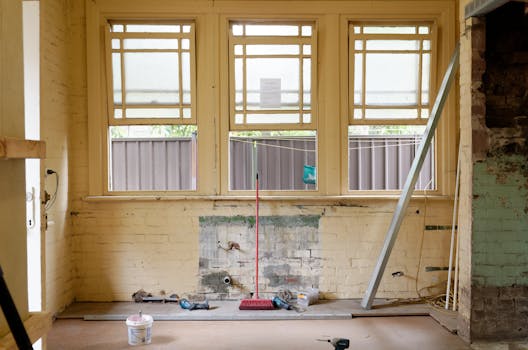

Did you know that poorly performing windows can account for up to 30% of your home’s energy loss? That’s a significant chunk of your heating and cooling bill vanishing into thin air, or worse, outside. When you notice condensation creeping between panes, drafts chilling your living room, or glass that’s simply seen better days, it’s a clear sign that it’s time to address your windows. Deciding whether to repair or replace them is a crucial home maintenance decision, impacting everything from comfort and aesthetics to energy efficiency and property value. This isn’t just about curb appeal; it’s about the long-term health and efficiency of your home.
Diagnosing Window Woes: Repair vs. Replace
Before you grab your toolbox or start browsing catalogues, it’s essential to accurately assess the condition of your windows. Not every problem necessitates a full replacement. Understanding the nuances will save you time, money, and unnecessary hassle.
#### When a Simple Fix Will Do
Minor Seal Failures: If you see a bit of fog or condensation between the glass panes of a double or triple-pane window, the seal has likely failed. In many cases, particularly with older windows, this can be a sign that the entire unit is compromised and replacement is the better long-term solution. However, for single-pane windows, or if the failure is very localized, you might be able to reseal it. This often involves carefully cleaning the affected area and applying a high-quality exterior caulk or sealant.
Damaged Wood Frames: Rotting or cracked wooden window frames can often be repaired. Small areas of rot can be excavated, treated with a wood hardener, and then filled with a durable wood filler or epoxy. Once cured, the area can be sanded and repainted. For more extensive damage, replacement of the entire sash or frame section might be necessary.
Sticking or Warped Sashes: Sometimes, windows become difficult to open or close due to humidity, paint build-up, or minor warping. You can often free a stuck sash by carefully running a utility knife around the edges to break the seal of paint, and then gently prying it open. If warping is the issue, you might need to plane down the edges slightly.
Faulty Hardware: Loose hinges, broken latches, or malfunctioning crank mechanisms are usually straightforward repairs. Replacement parts are often available at hardware stores, and with a few basic tools, you can usually swap them out yourself.
#### When It’s Time for an Upgrade
Extensive Rot or Damage: If your wooden frames are riddled with rot, or if metal frames are significantly corroded, repair might be more costly and less effective than replacement.
Failed Seals in Insulated Glass: As mentioned, condensation between panes indicates a failed seal in an insulated glass unit (IGU). While sometimes individual glass units can be replaced within an existing frame, it’s often more cost-effective and energy-efficient to replace the entire window. This is especially true if the frame itself is showing wear and tear.
Single-Pane Windows: If your home still has original single-pane windows, you are losing significant energy and comfort. Upgrading to double or triple-pane windows with low-E coatings and argon gas fills offers substantial energy savings and improved sound insulation.
Significant Air Leaks: If you feel persistent drafts even after sealing visible gaps, the problem likely lies within the window’s construction or its fit within the wall. This often points to a need for replacement.
Outdated Styles or Functionality: Windows that don’t operate smoothly, are difficult to clean, or simply don’t match your home’s aesthetic might warrant replacement for improved usability and visual appeal.
The Step-by-Step to Window Repair (DIY Focus)
Let’s dive into some practical repair techniques you can tackle yourself. Remember, safety first! Wear gloves and eye protection, especially when working with glass or power tools.
#### Fixing Drafty Frames and Sashes
- Clean and Prep: Thoroughly clean the window frame and the area where the sash meets the frame. Remove any loose paint, dirt, or debris.
- Caulk and Seal: For minor gaps between the frame and the wall, or small cracks in the frame itself, use a high-quality exterior-grade caulk. Apply a continuous bead, smoothing it with a damp finger or a caulk tool for a neat finish. For larger gaps, consider using spray foam insulation before caulking.
- Weatherstripping: Apply self-adhesive weatherstripping to the inside edges of the window frame where the sash makes contact. This creates a tighter seal when the window is closed. Ensure it’s applied smoothly without kinks.
- Draft Stopper: For the bottom of the window sash, a draft snake or a brush seal can be very effective. These inexpensive additions can significantly reduce air infiltration.
#### Replacing Panes in Older Windows
This is a more involved DIY project, typically for single-pane or older double-pane windows where the frame is still sound.
- Remove the Old Pane: Carefully break any remaining glass and remove it. Then, use a putty knife or chisel to scrape away old putty and brads (small nails) holding the glass in place.
- Clean the Rabbet: The rabbet is the groove in the frame where the glass sits. Clean it thoroughly.
- Apply Glazing Compound: Apply a thin, even layer of glazing compound to the rabbet.
- Set the New Pane: Press the new glass pane firmly into the compound.
- Secure with Brads: Gently tap small glazier’s points or brads into the frame around the pane to hold it securely.
- Apply Exterior Putty: Apply a generous bead of glazing putty around the outside edge of the glass, pressing it into the gap between the glass and the frame. Smooth it to a neat, angled finish. Allow it to cure according to the manufacturer’s instructions before painting.
The Replacement Process: When to Call the Pros
While some repairs are definitely DIY-friendly, window replacement often involves more complex carpentry, precise measurements, and potentially structural considerations.
#### Deciding on Replacement Materials
Vinyl Windows: These are a popular choice for their affordability, low maintenance, and excellent energy efficiency. They come in a wide variety of styles and colors.
Wood Windows: Offering classic beauty and excellent insulation, wood windows require more maintenance (painting/staining) but provide a timeless look. Many modern wood windows have aluminum or vinyl exteriors for added durability.
Fiberglass Windows: A premium option, fiberglass is incredibly strong, durable, and energy-efficient. It expands and contracts very little with temperature changes, making it highly stable.
Aluminum Windows: While less common in residential settings due to lower insulation properties compared to other materials, aluminum is durable and often used in specific architectural styles or for commercial applications.
#### The Replacement Workflow (Professional Approach)
- Measurement and Ordering: Precise measurements are critical. Professionals will measure your existing window openings and order new windows to fit perfectly.
- Removal of Old Window: The old window unit is carefully removed from the opening. This often involves cutting caulk, removing trim, and dismantling the old frame.
- Preparation of the Opening: The rough opening is inspected and prepared. Any necessary repairs to the framing or sill are made, and a proper flashing and sealing system is installed to prevent water intrusion.
- Installation of New Window: The new window unit is placed into the opening, leveled, plumbed, and secured in place.
- Sealing and Insulation: The gap between the new window frame and the rough opening is insulated (often with low-expansion spray foam) and then sealed with high-quality caulk.
- Interior and Exterior Finishing: New trim is installed (if needed) on the interior and exterior, and the area is caulked and painted to match your home.
Boost Efficiency and Comfort: Long-Term Benefits
Investing in repairing or replacing your windows is more than just a fix; it’s a strategic move to enhance your home’s performance. When done right, you can expect:
Reduced Energy Bills: Tighter seals and better insulation mean less heat escaping in winter and less cool air escaping in summer.
Improved Indoor Comfort: Say goodbye to cold spots near windows and uncomfortable drafts. Consistent temperatures throughout your home become the norm.
Enhanced Noise Reduction: Modern windows, especially double or triple-pane units, offer significantly better sound insulation, creating a more peaceful living environment.
Increased Home Value: Upgraded windows are a major selling point and can contribute to a higher appraisal value.
Better Indoor Air Quality: By reducing drafts and air infiltration, you also minimize the entry of dust, pollen, and other allergens.
Final Verdict: Smart Investment for a Smarter Home
Ultimately, the decision to repair or replace windows hinges on a careful evaluation of the damage, your budget, and your long-term goals for your home. For minor cosmetic issues or simple hardware failures, a DIY repair can be incredibly rewarding and cost-effective. However, when it comes to compromised seals, extensive rot, or upgrading from outdated single-pane systems, professional replacement offers superior performance and a more reliable, long-lasting solution. Don’t let those leaky windows drain your budget and comfort; take action today for a more efficient and enjoyable home.